Stroller sensory pause
Use a rattle, teether, or soft loop toy for a quick focus moment while moving between errands.

This page turns the SUS-B dashboard structure into a playful planning hub. Instead of environmental claims, the content tracks age-friendly activity ideas, sensory variety, and cozy routines families can try with plush and baby care favorites.
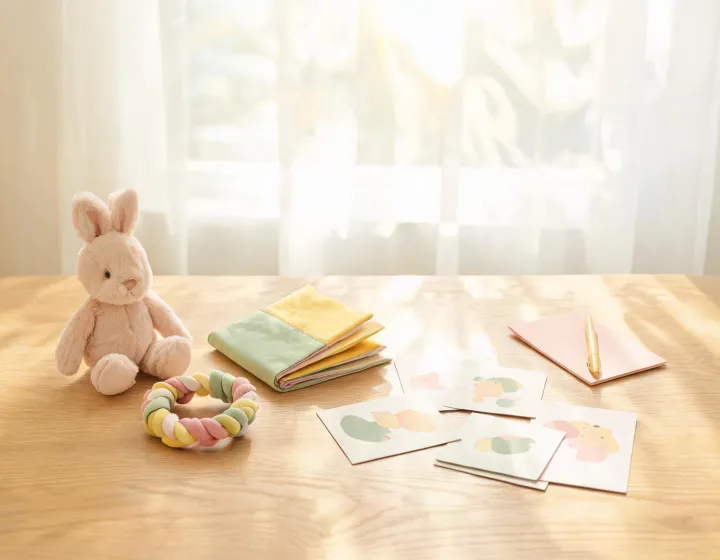
A simple dashboard helps parents choose by energy level, age stage, and the type of connection they want that day.
Use a rattle, teether, or soft loop toy for a quick focus moment while moving between errands.
Invite a child to name the animal, choose a feeling, and give the character a tiny job in the room.
Pair a fabric book with a plush companion so turning pages feels tactile, warm, and repeatable.
Use dolls, bottles, bibs, or blankets to let toddlers practice gentle caregiving language.
The original dashboard layout calls for a download list. Here, that list becomes a set of parent-friendly play cards. Each card keeps instructions short and leaves room for the child to lead. The goal is not a perfect activity plan; it is a warm starting point that makes a familiar plush or care item feel new again.
Families can rotate these prompts through quiet mornings, travel waits, bedtime transitions, or weekend gift visits. Retail teams can also use the same ideas as shelf talkers, pairing a product with a moment instead of a bare product name.
Choose one plush or teether and name soft, bumpy, smooth, warm, or cool sensations together.
Give a stuffed friend a small caregiving moment: blanket, bottle, song, or goodnight routine.
Place a soft book beside a plush animal and ask what the character might want to read first.
Let the child wrap, carry, or introduce a toy to someone else, building language around sharing.
Send us a short note about the child and the products you are considering. We will suggest a few activity angles that keep the toy useful beyond the first smile.
Request Play Ideas